AI支援プログラミング教育:パフォーマンス向上と深い学習の落とし穴
📌 この記事の結論
- AIはプログラミングの「パフォーマンス」を向上させるが、「深い学習」を妨げる可能性がある。
- 学生はAIを「ドメイン習熟」(概念理解)と「ツール習熟」(効率性)の間のバランスを取りながら利用する。
- 初心者には「AIを信頼するが検証できない」、経験者には「定型文の盲点」という評価の課題が見られた。
- AIに過度に頼ると、自分の能力を正確に評価する「メタ認知能力」が低下する可能性がある。
- AIを「足場かけ」として活用し、批判的思考を促す教育デザインが重要。
1. AI支援プログラミング教育の「パフォーマンス・学習パラドックス」
ChatGPTやGitHub Copilotといった生成AIの急速な普及は、プログラミング学習の風景を大きく変えようとしています。
これらのツールは、コードの自動生成、説明の提供、エラーの修正など、学習者を強力に支援し、多くの研究で「タスクの完了速度向上」や「コーディング不安の軽減」といったパフォーマンスの向上が報告されています。
しかし、一方で「AIに頼りすぎると、本当に深い理解は得られるのか?」という懸念も広がっています。
単にコードが動けば良いという「パフォーマンス」と、概念を理解し、応用できる「深い学習」の間には、しばしば「パフォーマンス・学習パラドックス」と呼ばれる緊張関係が存在するのです。
本記事では、この重要な問いに答えるため、最新の論文研究を基に、AI支援プログラミング教育の「光と影」を深く掘り下げていきます。
2. 紹介する論文の概要
📄 論文情報
| タイトル | Tool, tutor, or crutch?: A grounded theory of cognitive scaffolding and offloading in AI-assisted programming education |
|---|---|
| 著者 | Dandan Liu, Guangrui Fan, Lihu Pan |
| 掲載誌 | International Journal of STEM Education (2026) 13:10 |
| 研究対象 | 大学学部生Javaプログラミング学生(AI支援グループ24名、人間ペアプログラミンググループ17名) |
| 研究期間 | 1学期(16週間) |
研究の目的
この研究は、AI支援プログラミング教育における「パフォーマンス向上と深い学習の間の緊張」、いわゆる「パフォーマンス・学習パラドックス」を、学生の実際の行動や思考プロセスから解明し、理論モデルを構築することを目的としています。
単にAIが「役立つか否か」ではなく、「どのような状況で、どのように学習を形成するのか」というプロセスレベルの問いに焦点を当てています。
研究の方法
本研究では、構成主義的グラウンデッド・セオリー・デザインという定性的な手法を用い、学生がAIをどのように使用し、その過程で何が起こるかを詳細に分析しました。
- AI支援セクションと、従来の人間ペアプログラミングセクション(対照群)の学生を対象に、1学期間(16週間)にわたる比較研究を実施しました。
- 学生のプログラミング活動ログ(AIとの対話履歴、コードの修正履歴など)、コース前後のコンセプトマップ、半構造化ダイアドインタビューを通じてデータを収集しました。特にAIユーザーには、自身のログを用いた「刺激想起法」により、その瞬間の思考を深く掘り下げました。
- 収集したデータは、構成主義的グラウンデッド・セオリーを用いて、学生のAI利用戦略、評価行動、メタ認知の変化を質的に分析し、主要なカテゴリとそれらの関係性を特定しました。
3. 研究結果のポイント3つ
研究の結果、学生はAIの利用において「ドメイン習熟」(深い概念理解)と「ツール習熟」(AIによる効率的な問題解決)という二つの目標の間で葛藤していることが明らかになりました。この葛藤は、「足場かけループ」と「オフロードループ」という二つのパターンとして現れます。
✅ ポイント1:学生は「ドメイン習熟」と「ツール習熟」の狭間で揺れ動く
学生のAI利用戦略は、時間やタスクの状況に応じて動的に変化しました。これを研究では「戦略的ダンス」と表現しています。
- ソクラテス的探究: 課題の初期段階や、新しい概念(例えば、JavaScriptの非同期処理やPythonのジェネレータ)に直面した時、学生はAIに「なぜそうなるのか」「他の選択肢は?」といった説明や原理を求める質問(ソクラテス的探究)を多く行いました。これは「足場かけループ」に繋がります。
- トランザクション的委任: 締め切りが迫っている時や、慣れた定型的なタスク(例えば、HTML/CSSのレイアウト調整やSQLの単純なクエリ作成)では、学生はAIに「このコードを書いて」「エラーを直して」といった直接的なコード生成の指示(トランザクション的委任)が増加しました。これは「オフロードループ」に繋がりやすい傾向が見られました。
✅ ポイント2:AI出力の「批判的評価」には課題が残る
AIが生成したコードや説明を批判的に評価する能力は、学生の経験レベルによって異なる課題を抱えていました。
- 初心者の「信頼するが検証できない」: 経験の浅い学生は、AIが生成した高度なコード(例えば、JavaのストリームAPIやJavaScriptの複雑なPromiseチェーン)を目にすると、それが正しいと信じ込む一方で、その動作原理を理解できず、誤りがあった場合に自分で特定・修正することが困難でした。
- 経験者の「定型文の盲点」: 経験豊富な学生でも、自明だと感じる「定型的なコード」(例えば、PHPでデータベースに接続する部分やPythonでファイルを読み書きする部分)をAIに任せた際、無批判に受け入れ、そこに潜む微妙なバグを見逃してしまう傾向がありました。人間ペアプログラミングの学生は、パートナーとの対話や相互レビューによって、こうした見落としが減る傾向が見られました。
✅ ポイント3:「メタ認知能力」の低下と「ツールに依存した自己効力感」
AIの継続的な利用は、学生の自己評価や学習モニタリングの仕方にも影響を与えていました。
- メタ認知調整の減衰: AI支援を受けた学生の多くは、プロジェクトで高得点を得たにもかかわらず、AIなしの試験を前にして「自分は本当に理解しているのか分からない」という不安を抱えていました。彼らのコース前後のコンセプトマップでは、人間ペアプログラミングの学生に比べて、概念間の複雑な繋がり(クロスリンク)や階層構造の増加が小さい傾向が見られました。これは、自身の学習状態を正確に評価する「メタ認知能力」が低下している可能性を示唆しています。
- ツールに依存した自己効力感: 学生の一部は、AIをうまく操る「プロンプト作成スキル」に大きな自信を持っていました。しかし、このスキルが本来のプログラミング能力そのものと混同され、AIなしで問題解決する能力とは異なる自己効力感へと繋がるケースも見受けられました。
4. ADVANCEの現場から見た実感
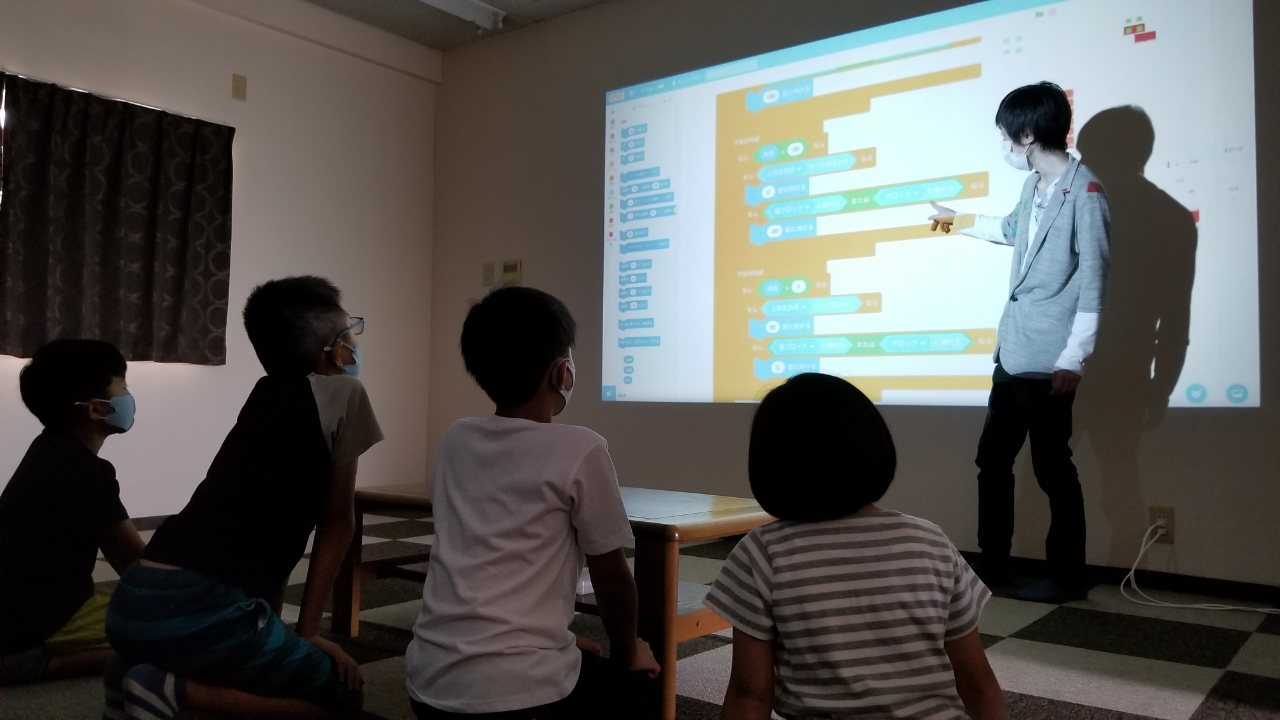
堺市南区のプログラミングスクールADVANCEで実際にプログラミングを教えている講師としての意見は以下の三つです。
🎮 現場で感じる3つの変化
効率性向上と「自分で考えない」傾向
AIツール(例えば、Pythonのライブラリの使い方を尋ねる、JavaScriptで特定の処理を実装する方法を調べるなど)を使うと、確かにコード作成は速くなります。しかし、「なぜこのコードで動くのか」という根本的な理解が伴わない場合がしばしば見られます。Scratchのようなビジュアルプログラミングでも、AIにフローを尋ねてそのまま再現するだけで、論理構造を深く考察しない生徒もいます。
エラー解決能力の二極化
AIはエラー修正の強力な手助けとなります。AIを「理解のためのヒント」として使う生徒は、エラーメッセージをAIに質問し、その解説を参考に自分で解決しようと努力します。一方で、AIに直接修正コードを求め、その動作原理を理解しないまま受け入れる生徒もいます。この違いが、長期的なエラー解決能力に大きな差を生むと感じています。
「AIと対話する力」の重要性
AIを効果的に使うには、問題を明確に定義し、適切な質問(プロンプト)を作成する能力が求められます。これはまるで、プログラミングにおける「仕様を考える力」と似ていると感じます。例えば、Roblox Studioでゲームを作る際に「プレイヤーが触れたら爆発するスクリプトを書いて」と漠然と尋ねるよりも、「Partに触れたらTweenServiceを使って拡大し、Destroyするスクリプトを、LocalScriptではなくServerScriptで書いて」と具体的に尋ねる方が、意図に沿った結果が得られます。
AIは強力なツールですが、その真の価値は、「AIから得た情報をいかに批判的に評価し、自分のものにするか」にかかっています。単なる「写経」で終わらせず、「なぜこうなるのか」を問い続ける姿勢が重要です。
5. 保護者の方へ:家庭でできること
お子さんがAIツールを使ったプログラミング学習をする際、ご家庭でどのようなサポートができるでしょうか。論文の示唆とADVANCEでの経験を基に、具体的なアドバイスを3つご紹介します。
AIを「考えるきっかけ」に
お子さんがAIツールを使ってコードやヒントを得た際、ただそれを適用するだけでなく、「なぜAIはそう答えたの?」「このコードのこの部分はどんな意味があるの?」と質問を投げかけてみましょう。例えば、UnityでC#スクリプトをAIに書いてもらった後、「このUpdate関数って何をしてるの?」と聞くことで、お子さんの思考を促すことができます。
定期的な「AIなし」の挑戦
時にはAIツールを使わず、自分で一から問題を解決する時間を作ることも大切です。例えば、「今回はAIなしで、このScratchのプロジェクトを完成させてみよう」「HTML/CSSでこのレイアウトを自分で組んでみよう」と挑戦を促すのも良いでしょう。「自力でできた」という経験が、真の自信とメタ認知能力を育みます。
成果だけでなくプロセスを褒める
完成したプログラムだけでなく、AIを使って試行錯誤した過程や、エラーを自分で解決しようと努力した点など、学習プロセスそのものに注目して褒めてあげましょう。「AIに尋ねる質問の仕方が上手になったね!」「AIの答えをちゃんと試してから使ったのは偉いね!」といった具体的な声かけが、お子さんの学びを深めるモチベーションに繋がります。
🎮 ADVANCEで一緒にプログラミングを始めませんか?
堺市南区のプログラミングスクールADVANCEでは、Scratchからはじめて、Roblox、Unity(C#)まで段階的に学べます。
研究で効果が実証されたプログラミング教育を、ゲーム制作を通じて楽しく体験できます。
▶ ぼうけんを はじめる 無料体験会に申し込む!6. 参考文献
- Bastani, H., Bastani, O., Sungu, A., Ge, H., Kabakcı, O., & Mariman, R. (2024). Generative AI can harm learning. SSRN Working Paper No. 4895486.
- Boguslawski, S., Deer, R., & Dawson, M. G. (2025). Programming education and learner motivation in the age of generative AI: Student and educator perspectives. Information and Learning Sciences,126(1/2), 91–109.
- Charmaz, K. (2014). Constructing grounded theory (2nd Ed). SAGE.
- Chiu, T. K., Moorhouse, B. L., Chai, C. S., & Ismailov, M. (2024). Teacher support and student motivation to learn with artificial intelligence (AI) based chatbot. Interactive Learning Environments,32(7), 3240–3256.
- Chiu, T. K. F., & Li, Y. (2023). How can emerging technologies impact STEM education? Journal for STEM Education Research,6(3), 375–384.
- Chiu, T. K. F., Xia, Q., Zhou, X., Chai, C. S., & Cheng, M. (2023). Systematic literature review on opportunities, challenges, and future research recommendations of artificial intelligence in education. Computers and Education: Artificial Intelligence,4, Article 100118.
- Collins, A., Brown, J. S., Holum, A., et al. (1991). Cognitive apprenticeship: Making thinking visible. American Educator,15(3), 6–11.
- Debue, N., & Van De Leemput, C. (2014). What does germane load mean? An empirical contribution to the cognitive load theory. Frontiers in Psychology,5, 1099.
- Denny, P., Prather, J., Becker, B. A., Finnie-Ansley, J., Hellas, A., Leinonen, J., & Sarsa, S. (2024). Computing education in the era of generative AI. Communications of the ACM,67(2), 56–67.
- Dung, N.T.M. , Hieu, P.N.V. , Linh, N.T. , Han, N.T.N. , Trong, H. , & et al. (2024). The impact of students’ using generative AI for learning on self-learning motivation: A study based on self-determination theory. The 2nd international conference: Resiliency by technology and design (rtd 2024) (pp. 362–382).
- Fan, G., Liu, D., Zhang, R., & Pan, L. (2025). The impact of AI-assisted pair programming on student motivation, programming anxiety, collaborative learning, and programming performance: A comparative study with traditional pair programming and individual approaches. International Journal of STEM Education,12(1), 16.
- Gkintoni, E., Antonopoulou, H., Sortwell, A., & Halkiopoulos, C. (2025). Challenging cognitive load theory: The role of educational neuroscience and artificial intelligence in redefining learning efficacy. Brain Sciences,15(2), 203.
- Glaser, B., & Strauss, A. (2017). Discovery of grounded theory: Strategies for qualitative research. Routledge.
- Gupta, S., & Bostrom, R.P. (2009). Technology-mediated learning: A comprehensive theoretical model. Journal of the Association for Information Systems 109686–714.
- Jeyaraj, A., & Sethi, V. (2025). Generative ai tools in software teaching and learning: Implications for business education. Journal of Management and Business Education,8(1), 127–146.
- Jose, B., Cherian, J., Verghis, A. M., Varghise, S. M., & Joseph, S. (2025). The cognitive paradox of AI in education: Between enhancement and erosion. Frontiers in Psychology,16, 1550621.
- Kalyuga, S. (2007). Expertise reversal effect and its implications for learner-tailored instruction. Educational Psychology Review,19(4), 509–539.
- Kapur, M. (2008). Productive failure. Cognition and Instruction,26(3), 379–424.
- Khlaif, Z.N., Hamamra, B., & Hussein, E.T. (2025). AI paradox in higher education: Understanding over-reliance, its impact, and sustainable integration. Education and Information Technologies. (Advance online publication)
- Lee, H. Y., Chen, P. H., Lin, C. J., Huang, Y. M., & Wu, T. T. (2025). Leveraging chatgpt for personalized reflective learning in programming education: effects on self-efficacy, higher-order thinking, and project implementation skills. Education and Information Technologies 1–40.
- Leinwand, S., Brahier, D. J., Huinker, D., Berry, R. Q., Dillon, F. L., Larson, M. R., & Smith, M. S. (2014). Principles to actions: Ensuring mathematical success for all. National Council of Teachers of Mathematics: NCTM.
- Létourneau, A., Deslandes Martineau, M., Charland, P., Karran, J. A., Boasen, J., & Léger, P. M. (2025). A systematic review of AI-driven intelligent tutoring systems (ITS) in K-12 education. npj Science of Learning,10(1), 1–13.
- Li, Y. (2025). Advancing STEM education as a dynamic and distinct academic field. International Journal of STEM Education,12(1), 1.
- Lincoln, Y. S., & Guba, E. G. (1988). Criteria for assessing naturalistic inquiries as reports. New Orleans, LA: Annual meeting of the american educational research association.
- Lyu, W., Wang, Y., Chung, T., Sun, Y., & Zhang, Y. (2024). Evaluating the effectiveness of llms in introductory computer science education: A semester-long field study. In Proceedings of the eleventh ACM conference on learning@ scale (pp. 63–74).
- Medika Life (n.d.). Llms as a modern partner in vygotsky’s zone of proximal development. https://medika.life/llms-as-a-modern-partner-in-vygotskys-zone-of-proximal-development/34
- Niemiec, C. P., & Ryan, R. M. (2009). Autonomy, competence, and relatedness in the classroom: Applying self-determination theory to educational practice. Theory and Research in Education,7(2), 133–144.
- Patton, M. Q. (2002). Qualitative research and evaluation methods (vol 3). Sage.
- Qi, X., Weijia, L., Yiming, Y., Xiaojing, W., & et al . (2025). A systematic review and meta-analysis of the effectiveness of generative artificial intelligence (genai) on students’ motivation and engagement. Computers and Education: Artificial Intelligence 100455.
- Shabani, K., Khatib, M., & Ebadi, S. (2010). Vygotsky’s zone of proximal development: Instructional implications and teachers’ professional development. English Language Teaching,3(4), 237–248.
- Shah, A., & Soosai Raj, A.G. (2024). A review of cognitive apprenticeship methods in computing education research. Proceedings of the 55th acm technical symposium on computer science education v. 1 (pp. 1202–1208).
- Shihab, M.I.H., Hundhausen, C., Tariq, A., Haque, S., Qiao, Y., & Mulanda, B.W. (2025). The effects of github copilot on computing students’ programming effectiveness, efficiency, and processes in brownfield coding tasks. 407–420.
- Stadler, M., Bannert, M., & Sailer, M. (2024). Cognitive ease at a cost: LLMs reduce mental effort but compromise depth in student scientific inquiry. Computers in Human Behavior,160, Article 108386.
- Stojanov, A. (2023). Learning with ChatGPT 3.5 as a more knowledgeable other: An autoethnographic study. International Journal of Educational Technology in Higher Education,20(1), 35.
- Vaivio, J. (2012). Interviews-learning the craft of qualitative research interviewing. Taylor & Francis.
- Vygotsky, L. S. (1978). Mind in society: The development of higher psychological processes (vol 86). Harvard University Press.
- Wu, F., Dang, Y., & Li, M. (2025). A systematic review of responses, attitudes, and utilization behaviors on generative ai for teaching and learning in higher education. Behavioral Sciences,15(4), 467.
- Wu, T. T., Lee, H. Y., Chen, P. H., Lin, C. J., & Huang, Y. M. (2025). Integrating peer assessment cycle into Chatgpt for stem education: A randomised controlled trial on knowledge, skills, and attitudes enhancement. Journal of Computer Assisted Learning,41(1), Article e13085.
- Xia, Q., Chiu, T. K. F., Lee, M., Sanusi, I. T., Dai, Y., & Chai, C. S. (2022). A self-determination theory (SDT) design approach for inclusive and diverse artificial intelligence (AI) education. Computers & Education,189, Article 104582.
- Xia, Q., Zhang, P., Huang, W., & Chiu, T. K. F. (2025). The impact of generative AI on university students’ learning outcomes via Bloom’s taxonomy: A meta-analysis and pattern mining approach. Asia Pacific Journal of Education,45(1), 1–31.
- Yan, L., Greiff, S., Lodge, J. M., & Gašević, D. (2025). Distinguishing performance gains from learning when using generative AI. Nature Reviews Psychology,4, 378–379.
- Yilmaz, R., & Yilmaz, F. G. K. (2023). The effect of generative artificial intelligence (AI)-based tool use on students’ computational thinking skills, programming self-efficacy and motivation. Computers and Education: Artificial Intelligence,4, Article 100147.